Egypt. Travel Notes. 2007
This was my first trip abroad.
Hurghada. Albatros Resort hotel.
Tour operator: TEZ Tour.
November 24
The Domodedovo Aeroexpress is funny. Just an ordinary Soviet commuter train. Only instead of uncomfortable wooden benches it has uncomfortable non-wooden ones. And the train is painted not green, but gray. (I wanted to write that it was painted just as badly, but perhaps I will not.) I should not have looked at photos on the internet; they created the impression that Russia had finally started thinking about ordinary people. That impression had to be driven away while I tried to fit myself and two neighbors into six seats.
November 25
The IL-86 looked like an old Lviv bus. It creaks, but generally it flies. Next time I will make sure to bring a flask of something strong on board, so I do not have to buy it on the plane. About two hours into the flight I looked out the window. The clouds were gone. Below, at night, between white mountain peaks, cities glowed here and there. Very beautiful. It looked like the Milky Way. Only below us.
We passed passport control. I picked up my bag. I was afraid they would wrap it in plastic. For some reason they did not. Nastya had advised me to wrap it myself and attach a tag, but because I got lost in the airport, I remembered that advice only when the bag was no longer with me.
The guide on the bus introduced himself as Ramesses the Thirteenth. Then he said his real name was Asman, and in Russian, Asmanchik.
We checked into the room. I only had enough strength to set the alarm for early morning. Fell asleep. Naturally, I slept through the alarm. I hope I did not wake up the whole building.
It feels somehow wrong to sleep here: you picture the winter cold back home and want to stay here longer at least by cutting into sleep.
Dawn comes at about six in the morning. The sun starts warming at half past seven. By five in the evening it is already dark and cold. Cold is figurative here; roughly like our June during the white nights.
In general, people understand Russian here. At least in the hotel. Not in a way that makes communication pleasant, of course, but so far there has been no need to remember English grammar. Though when I asked “where is the sea,” the man could answer only after the word “sea.”
I am not writing an “instruction manual for a first trip to Egypt” here, just impressions. So I will omit some things, including the ones that interested me a lot before the trip: “how does it all work there.” The hotel gives out some kind of description in Russian, and with the support of Russian vacationers you can figure everything out. There are about sixty percent Russians there.
My first thought from the air, when I inhaled deeply and caught the smell: Severomorsk, damn it.
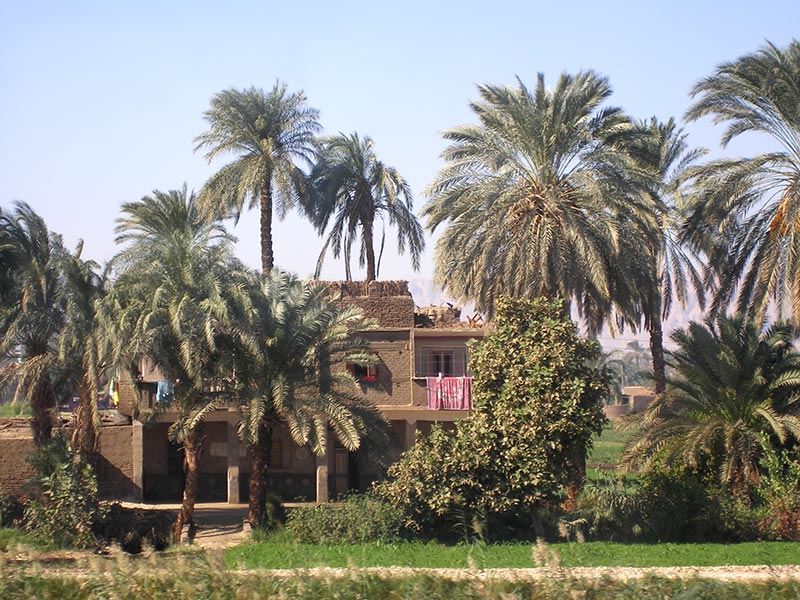
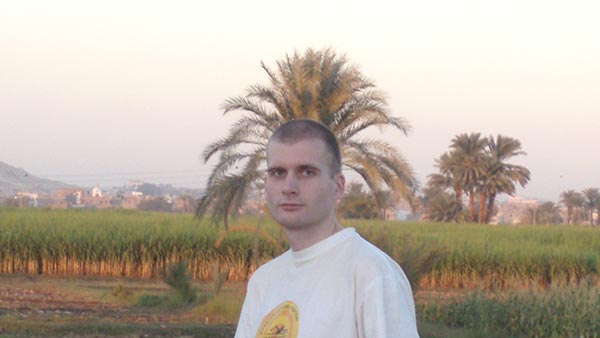
Warm sun. Warm wind. Warm sea. I did not know water could be so transparent: the bottom is already impossible to reach, but you can still see the sand and the little stones in it. Clean paths from the sea to the room, paved with pretty tiles. Greenery and palm trees everywhere. I had imagined palm trees growing differently. For the first three hours of walking back and forth my whole body enjoyed summer in the middle of winter. I still enjoy it now, but during those first three hours I was also convincing myself that this was generally not a dream.
The room has a refrigerator. It is a little sad when you open it and there is nothing inside. Except a bottle of water.
November 26
A dialogue with the surfing instructor:
- What's the cost?
- Oh! I don't speak English...
- And Russian?
- Oh yes! Russian, of course I speak Russian!
And the rest of the lesson was in Russian. Before that, he seemed to be teaching Germans. Besides, with English he simply realized I was Russian and joked about English that way. So at least three foreign languages. True, not absolute command, but specialized command; still not bad.
November 28
Sakara, the new-city district of Hurghada
The main street is an endless chain of little shops: souvenirs, hookahs, tobacco, hibiscus tea, fruit, and lots and lots of other nonsense.
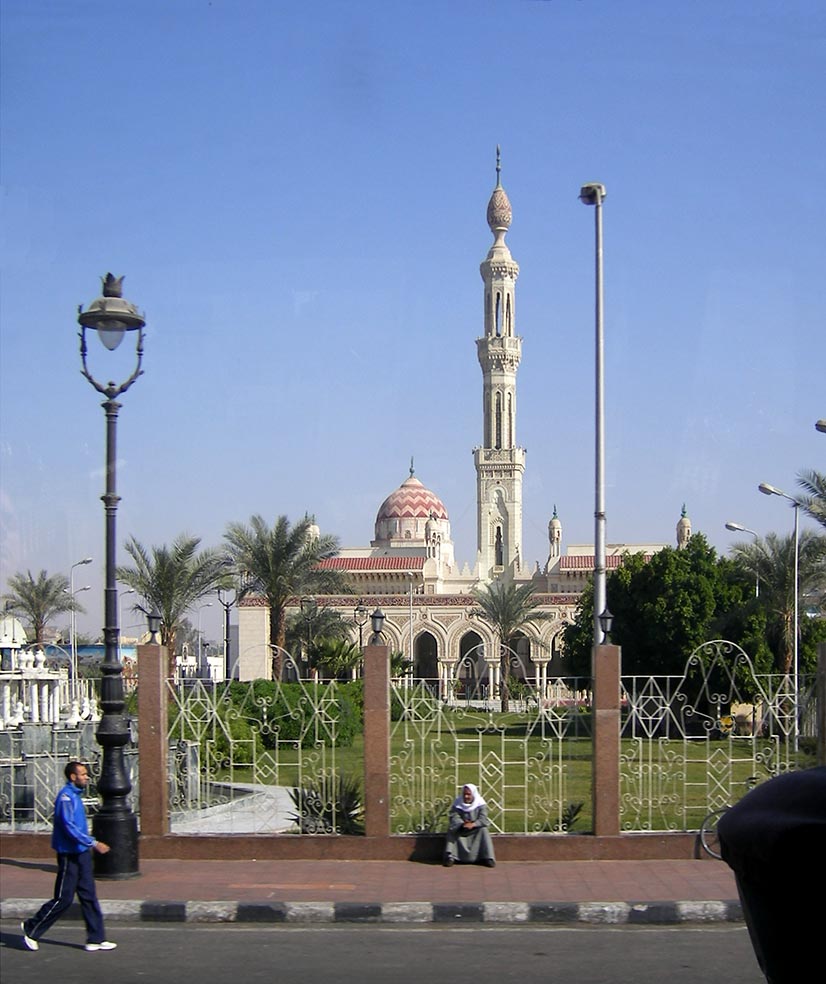
I decided to step away from the main street a little. I moved aside a bit, turned, walked a little farther: the same shops, but now apparently for locals. I decided to go back. The main street was gone, like in The Diamond Arm. Using the sun and my guess about where that street should be, I went wandering. I found a mosque. I failed to buy prayer beads because I could not explain what exactly I needed. The sun was leaning toward sunset. Still no main street: Arabs, no longer shopkeepers, the same little shops on ground floors, women in headscarves, two- and three-story shacks with laundry hanging on lines under the windows, fat cats. Somehow, asking Arabs who kept pointing in different directions, I finally got back to the main street. It was already dark.
The seller from whom I bought aromatic oil spoke a little Russian. I asked about prayer beads. They immediately brought me some small turquoise ones. I somehow explained that I needed real large Muslim prayer beads. I was very surprised when the seller pulled his own beads out of his jeans pocket. There were two of his friends there too, and they pulled theirs out as well. And you could see that the beads were actually used. They were merchants, but they prayed. Muslims. I suggested finding the same kind new and selling them to me. The Arab dodged the question of price. They brought beads. The same as theirs, but new. I asked how much. An inner struggle appeared on the seller's face: on the one hand he wanted the money, on the other he could not sell them, because Islam, roughly speaking, is spread for free. Commerce won the inner struggle: 35 pounds, or 7 dollars. I in turn refused, taking pity on the Arab; why make him sin one more time?
Luxor
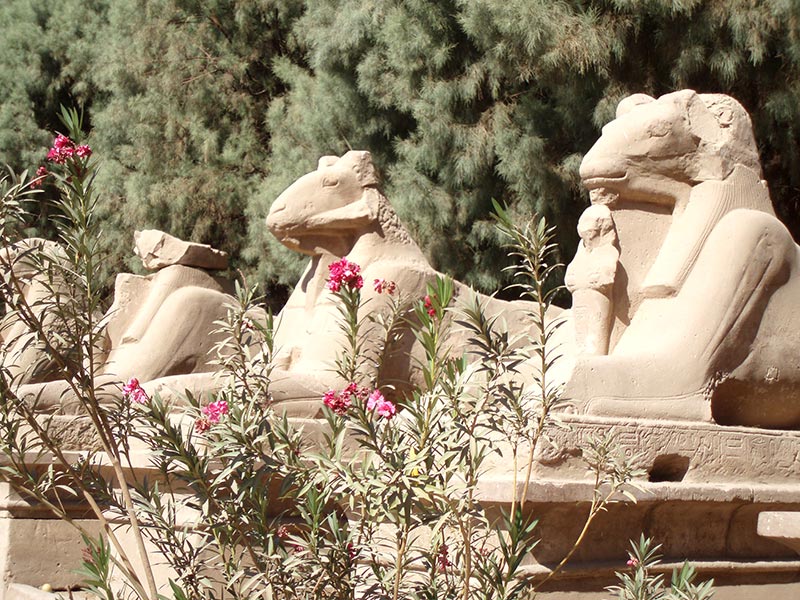
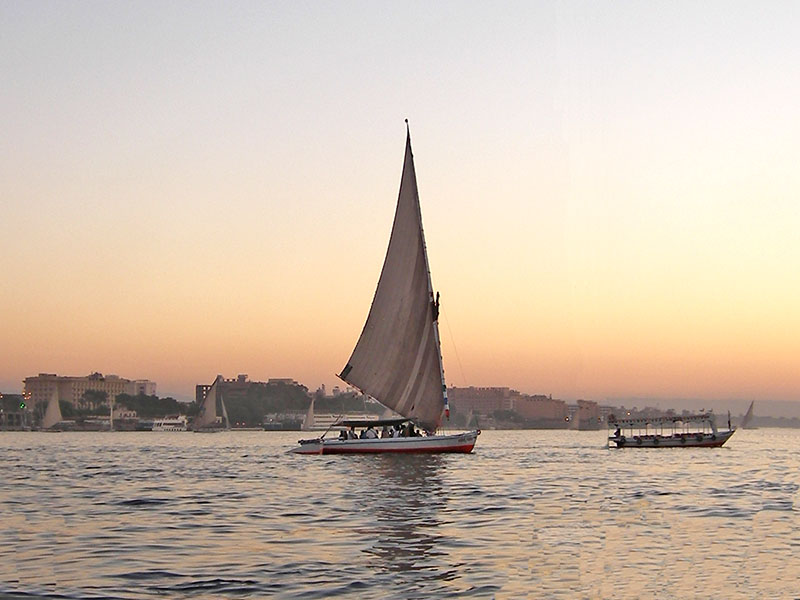
The open-air temple complex was so-so. I really liked the evening boat ride on the Nile. Like in Petersburg during the white nights. Only the shape of the city is completely different. And there are no granite embankments.
Cairo
The city is all smog. Big, big. Traffic is completely chaotic. The Nile is beautiful. Tall buildings mixed with unfinished two-story shacks. Dirty.
The Pyramids
They were the reason I came here. As it turned out, the main thing here is summer, not the pyramids.
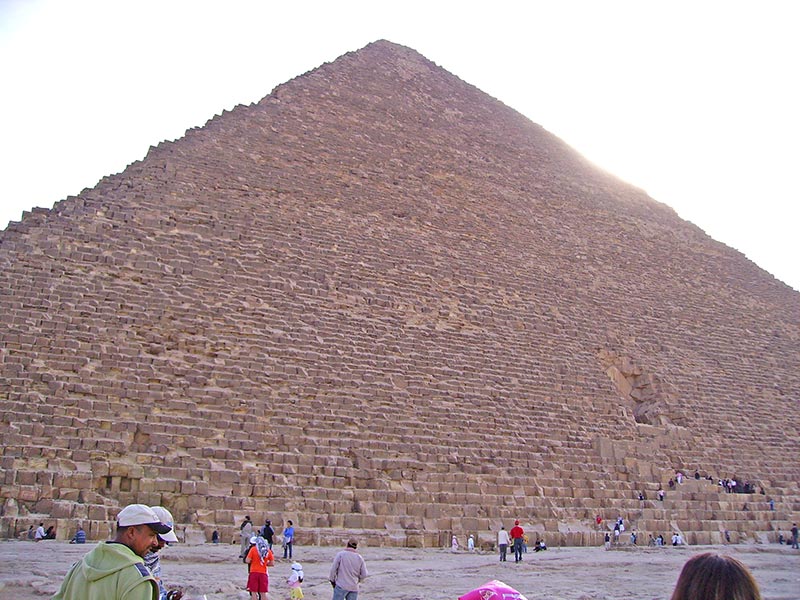
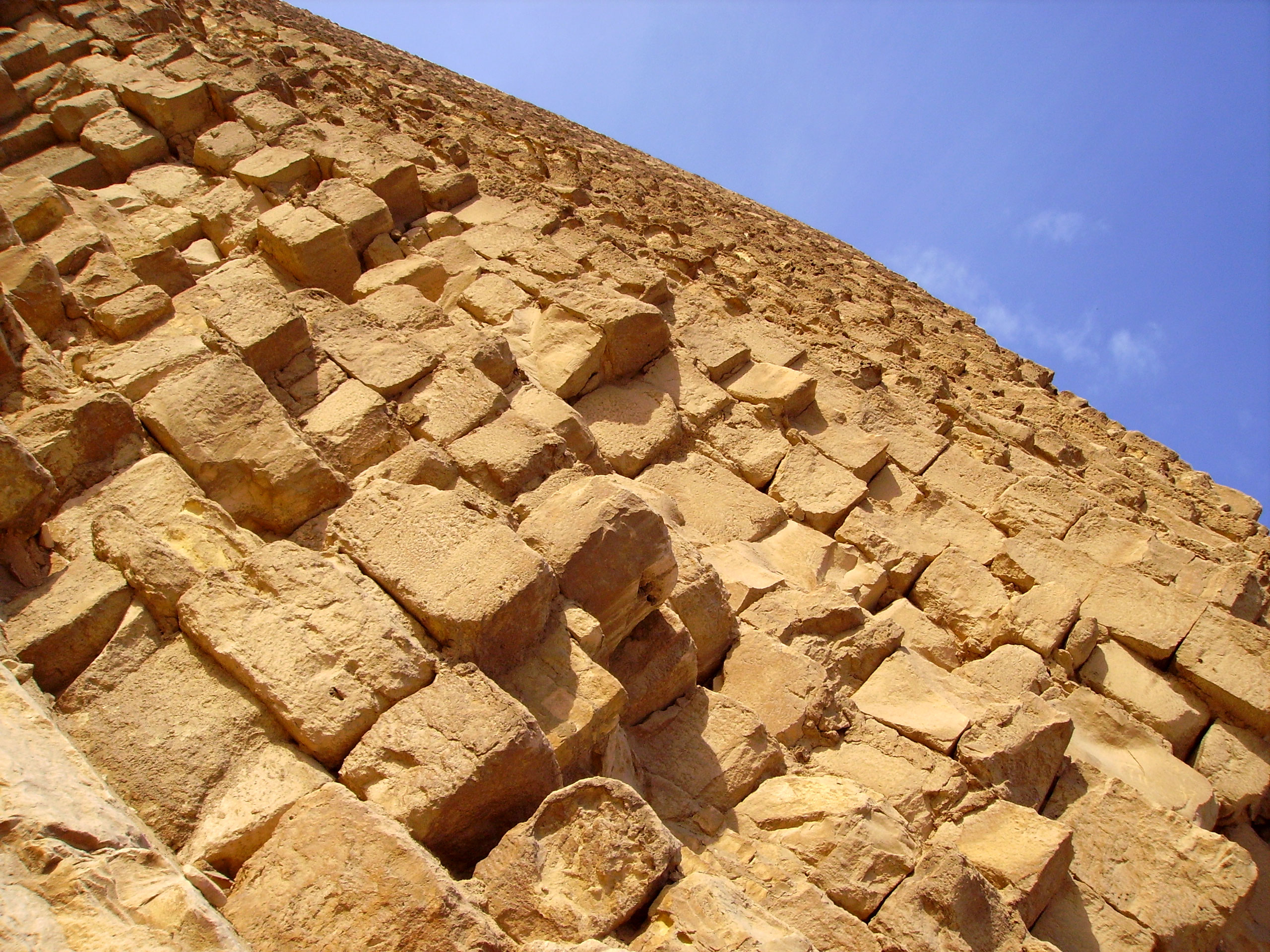
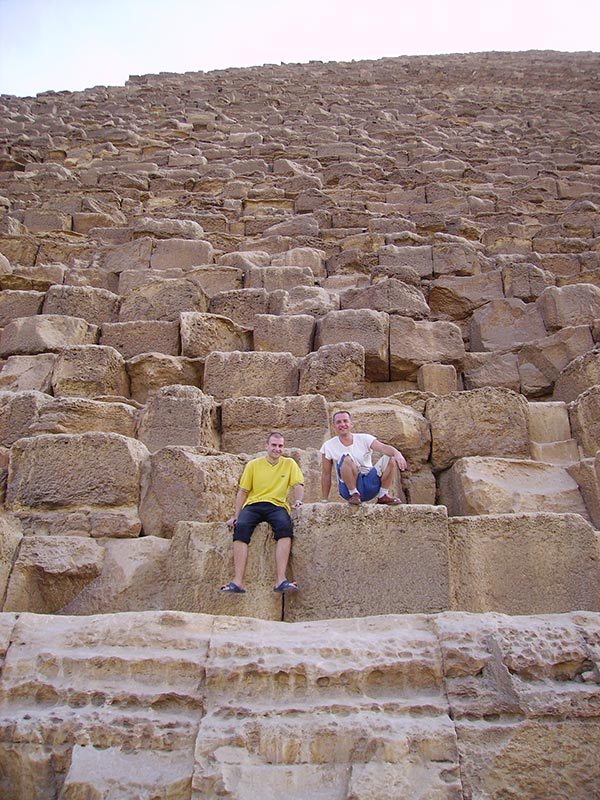
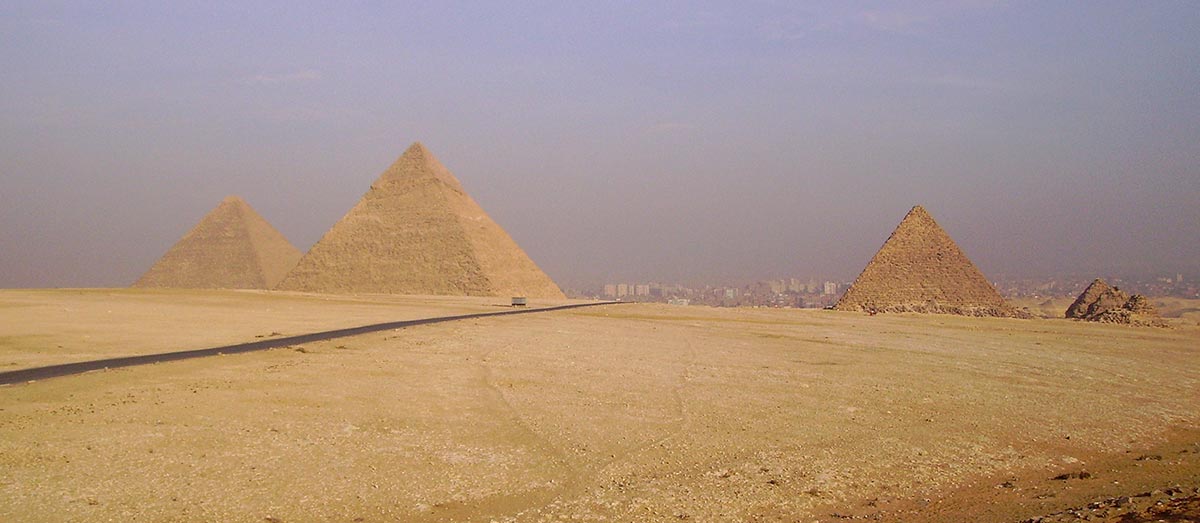
Before the trip it seemed that touching the pyramids would be something extraordinary. It turned out you touch an ordinary stone. Warm on the sunny side and cold on the shady side. Up close, Cheops is not very impressive: you do not feel the massiveness, unlike, for example, Moscow State University. But when you step farther away, the pyramid becomes majestic. The view of the pyramids against Cairo is insanely beautiful. They stand on quite a noticeable rise, and the enormous city spreads before your eyes and merges with the haze in the distance.
The Sphinx is so-so.
Said
Said was the name of the guide. An Egyptologist. He lives in the most beautiful city of Egypt, Alexandria, where unfortunately I did not manage to visit. A short, plump Arab.
That tour of the National Museum, the guidance through Cairo, and the trip to the pyramids were the best in my life. Enormous expressiveness. A strong, slightly hoarse voice, wonderfully playing with intonation; at some moments he reminded me of a market seller in Hurghada. But not just any seller: the very best one. Amazing command of Russian: many synonyms in speech, almost all endings correct, answers questions easily.
The whole group's attention was focused only on him.
Now I have an idea of what a good guided tour is.
Probably because of Said, I liked the trip to Cairo much more than the trip to Luxor.
November 29
In the evening I got real pleasure from Arab bargaining. I was already too lazy to go from the hotel into the city, so I crawled around the shops near the hotel. First I bought prayer beads. Then I bargained for Egyptian coins.
Very interesting. I had to communicate in English, because in Russian they can only name the price.
November 30
While I am sitting in the airport, I will write a few facts about Egypt that surprised me.
For two dollars here you can buy ten liters of 92-octane gasoline and only five liters of drinking water. 92 is the highest quality; mostly, as they told us, everyone drives on 80, which is even cheaper.
Ninety-five percent of the territory is desert.
Cairo has 17 million people at night and 21 million during the day. Four million come in from the suburbs for work.
The average salary is 90 dollars a month.